
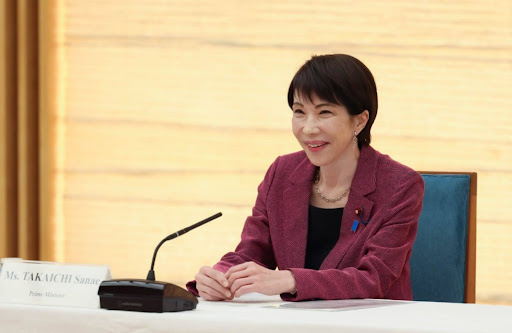
Among the world’s major economies, Japan is arguably the most exposed to disruption in Middle Eastern oil supplies, and the country is fighting back against the current crisis with its most forceful energy security measure ever. Prime Minister Sanae Takaichi has announced the biggest-ever release from national oil reserves — approximately 80 million barrels to domestic refiners from Thursday — as the US-Israel conflict with Iran disrupts the Strait of Hormuz. Japan’s response reflects both the severity of its vulnerability and the depth of the preparations it has made to address exactly this kind of challenge.
With over 90% of crude oil imports coming from Middle Eastern producers, Japan’s entire economy — its factories, transport networks, power plants, and consumer markets — is dependent on the uninterrupted flow of tankers through the Strait of Hormuz. The current military conflict has challenged this assumption, forcing Japan to activate reserves built up over decades of post-1973 energy planning. The 80 million barrel deployment — 45 days of national consumption, 1.8 times the previous record — represents the system working as designed.
Japan’s total reserves of approximately 470 million barrels, covering 254 days of consumption, give the government the capacity to absorb even this historic drawdown while retaining a meaningful safety cushion. The combination of state and private sector reserve releases represents a comprehensive national response to a threat that officials believe could be prolonged. Further deployments remain available if conditions require.
Fuel price subsidies capping gasoline at approximately ¥170 per litre — against a recent record of ¥190.8 — will be reviewed weekly to track market movements. The government is committed to preventing the global oil price spike from translating into sustained domestic inflation. Consumer communications are also being managed actively to prevent panic buying from creating artificial shortages of goods that are not genuinely at risk.
Japan’s international posture throughout the crisis has been defined by constitutional restraint and diplomatic engagement. Takaichi declined Trump’s call for naval deployment to Hormuz, citing Japan’s pacifist constitution, while pledging intensive multilateral diplomacy to promote stability in the Middle East. Japan’s strategy — economic resilience, diplomatic activity, and constitutional principle — represents a coherent and values-driven response to a complex global crisis.