
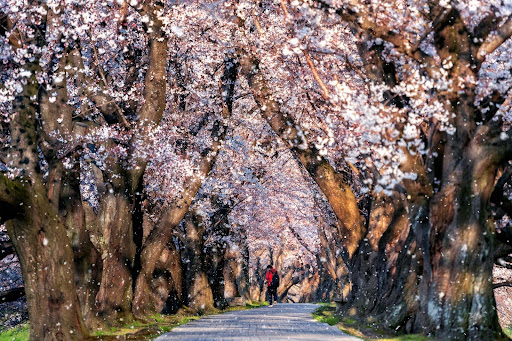
The delicate white and pink blossoms that define the Indian spring are becoming critical indicators of the region’s changing climate. In places like the Kullu Valley and Almora, the timing of the bloom is highly sensitive to temperature fluctuations and winter precipitation levels. As winters become more erratic, the predictability of these floral events is increasingly being called into question.
Historically, the appearance of plum and apricot blossoms followed a strict schedule, but recent years have seen shifts in these cycles. An unusually warm February can trigger an early bloom, leaving the delicate petals vulnerable to late-season frosts or unseasonal rain. For the farmers who depend on these flowers for their fruit crops, these shifts represent a significant economic risk.
Environmentalists are closely monitoring these “phenological” changes to understand the broader impact on mountain ecosystems. The relationship between the trees and their pollinators, such as bees and butterflies, must remain synchronized for the health of the forest. Any disruption in the timing of the bloom can have a cascading effect on the entire local food chain.
Despite these challenges, the resilience of the trees remains a source of hope for local communities. Conservation efforts are focusing on planting climate-resilient varieties and protecting the natural water sources that sustain the orchards. Educating tourists on the fragility of these ecosystems is also a vital part of long-term preservation strategies.
The future of India’s blossom season will depend on a collective effort to address environmental stressors. While the “magic” of the flowers remains a major draw, it is also a reminder of our responsibility to protect the natural world. Sustainable practices today ensure that the “rain of petals” continues for generations to come.