
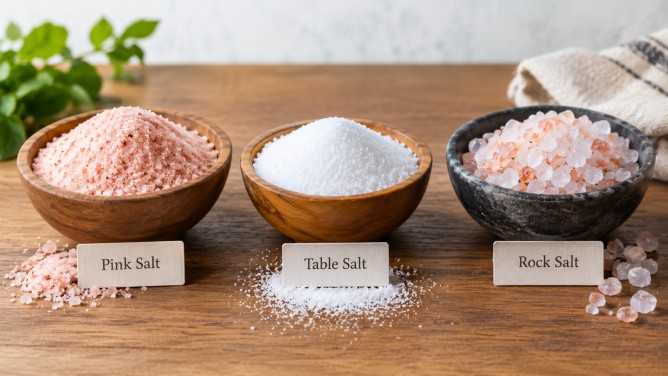
When considering salt for your kitchen, the choice between pink Himalayan salt, rock salt, and iodised table salt should be informed by more than just taste or aesthetics. The key factor to consider is iodine content, which varies among these types of salt. Iodine is a crucial mineral for thyroid function, aiding in the production of hormones like thyroxine (T4) and triiodothyronine (T3) that regulate metabolism and support growth.
Iodised table salt is often the most reliable source of iodine, as it is specifically fortified to meet dietary needs. Consumers should ensure the salt they purchase is clearly labeled as iodised to guarantee iodine content. Proper storage in a dry, closed container is also important to maintain its quality. Despite its benefits, iodised salt should be consumed in moderation to avoid excessive sodium intake, which can lead to high blood pressure.
Pink Himalayan salt, known for its unique color and mineral content, is not a consistent source of iodine unless specifically iodised. Its trace minerals, while present, are insufficient to replace a balanced diet. Similarly, rock salt, commonly used in traditional Indian cuisine, does not naturally provide significant iodine levels unless fortified. Both pink and rock salt should not replace iodised table salt if iodine intake is a priority.
Adults typically require around 150 micrograms of iodine daily, with increased needs during pregnancy and breastfeeding. Besides iodised salt, iodine can be sourced from dairy products, eggs, seafood, and fortified foods. For those with dietary restrictions, such as vegetarians or vegans, consulting a healthcare professional is advisable to ensure adequate iodine intake.
Ultimately, choosing the right salt involves more than just preference for color or texture. It’s about ensuring your diet provides sufficient iodine to support thyroid health. When purchasing salt, verify its iodine content and integrate it wisely into a balanced diet, keeping in mind the recommended daily salt intake of less than 5 grams from the World Health Organization. For individuals with thyroid conditions, seeking personalized advice before using iodine supplements is essential to avoid potential complications.