
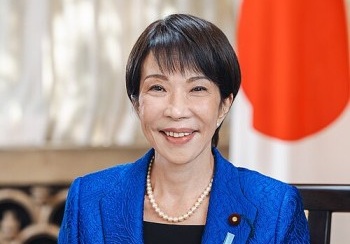
In the midst of economic challenges stemming from the Middle East conflict, Prime Minister Sanae Takaichi has vowed to minimize the issuance of deficit-covering government bonds in a supplementary budget. During a series of debates in the Diet on May 20, she emphasized the importance of safeguarding the livelihoods and economic activities of citizens without resorting to excessive borrowing. While discussions on the specifics of the supplementary budget for fiscal 2026 remain premature, Takaichi assured that surplus funds from the fiscal settlement and other resources would soon become available.
Despite her prior stance against the necessity of an extra budget, Takaichi revealed a shift in her approach. At a government-ruling coalition meeting on May 18, she instructed Finance Minister Satsuki Katayama to explore the possibility of a supplementary budget and other economic measures. This pivot raised questions from opposition leader Junya Ogawa of the Centrist Reform Alliance, who criticized the timing of her directives. In response, Takaichi dismissed the notion of delay, maintaining that her instructions were timely and consistent with ongoing evaluations.
During a debate with Democratic Party for the People leader Yuichiro Tamaki, Takaichi clarified that she had already tasked officials with studying an extra budget before the Golden Week holidays. However, her earlier statement on May 11, which downplayed the immediate need for a supplementary budget, drew criticism from Ogawa as being insincere. Meanwhile, Tamaki proposed extending fuel subsidies within the supplementary budget, suggesting a gradual increase in the subsidy trigger threshold. Takaichi showed openness to this suggestion, emphasizing her administration’s strategic consideration of subsidy adjustments.
Amid disruptions in the supply chain, particularly affecting naphtha, a key petrochemical feedstock, companies have begun to take precautionary measures. Calbee Inc., a snack food manufacturer, announced a change to black-and-white packaging for several products due to the unstable supply of naphtha-derived printing ink. Despite these challenges, Takaichi’s administration remains confident in the overall availability of naphtha, attributing the issues to distribution bottlenecks rather than shortages. Industry Minister Ryosei Akazawa is leading efforts to resolve these supply-chain constraints.
Additionally, Takaichi reiterated her commitment to eliminating the consumption tax on food items, contingent upon an interim report from the national council on social security expected before the summer. Her administration’s focus continues to be on providing economic relief while carefully managing fiscal responsibility, as highlighted in her recent engagements with both government and opposition leaders.