
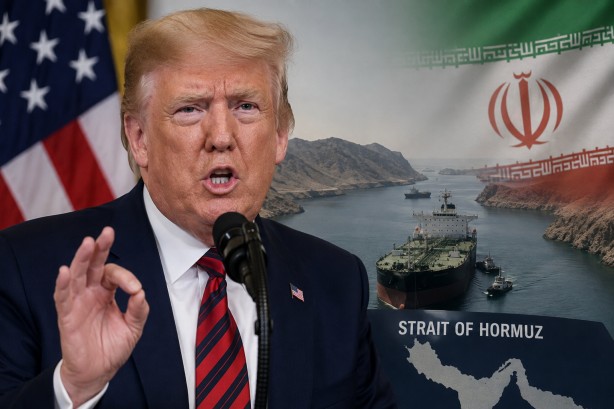
Iran has issued a stern warning to Gulf states, indicating that any new military attacks by the United States on its territory would provoke retaliatory actions aimed at crucial energy infrastructures throughout the Gulf region. This warning comes from officials who are informed about the ongoing discussions. Iranian Foreign Minister Abbas Araqchi has reportedly engaged in talks with high-ranking officials from Saudi Arabia, Qatar, Turkey, and Pakistan, seeking to convince regional allies to dissuade Washington from pursuing further military aggression. Iran emphasized in these discussions that any assault on its territory would result in counterstrikes targeting U.S. assets and vital energy facilities in the area.
The backdrop for these developments is U.S. President Donald Trump’s recent declaration that he might target Iran’s energy infrastructure. While Iran maintains that diplomacy is the preferred approach, it has underscored its readiness to retaliate if necessary. In light of these tensions, Saudi Arabia has apparently advised the United States to emphasize negotiations and steer clear of actions that could escalate the conflict, all while asserting its intent to defend itself should its territory come under attack.
Iran’s communicated warnings include the potential targeting of oil facilities, refineries, power grids, water infrastructure, transport networks, and oil fields if another U.S. strike transpires. This strategic positioning underscores a growing apprehension that renewed hostilities might disrupt Gulf energy supplies, leading to increased instability in the region. Such concerns highlight the potential for significant disruptions that could affect global energy markets.
Amidst these tensions, leaders in the region continue to advocate for diplomatic solutions to avert a broader conflict. Their efforts are aimed at ensuring stability and preventing a situation that could jeopardize energy markets worldwide. The ongoing dialogue underscores the critical nature of maintaining open channels for negotiation to mitigate the risks of further escalation.