
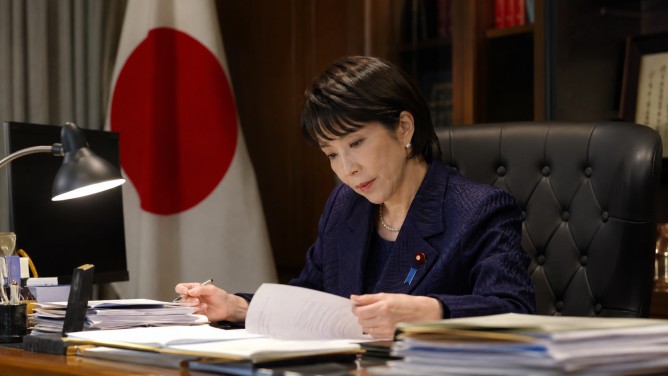
Japanese Prime Minister Sanae Takaichi has sparked a public conversation about her leadership approach after sharing that she usually sleeps only zero to three hours per night since assuming office in October. This revelation came through a social media update where Takaichi mentioned that she recently experienced a rare five-hour sleep, highlighting her routine of staying up late to go through government documents and prepare for parliamentary meetings.
In addition to her demanding work schedule, Takaichi disclosed that her personal time is devoted to household responsibilities, such as cooking, cleaning, and doing laundry. This admission has ignited a debate on whether her style of leadership is sustainable. Critics from opposition parties argue that a prime minister should better allocate tasks and ensure adequate rest to maintain effective decision-making capabilities.
Takaichi has consistently promoted a strong work ethic, expressing her commitment to diligently fulfilling her official duties. Her remarks have gained further attention given her stance on easing work-hour regulations in Japan, adding another layer to the ongoing conversation about labor practices.
The discussion surrounding Takaichi’s sleep habits and work routine has revived broader inquiries into the work culture prevalent in Japanese politics. As her approach continues to be scrutinized, questions about the balance between professional commitments and personal well-being remain at the forefront of public discourse.