
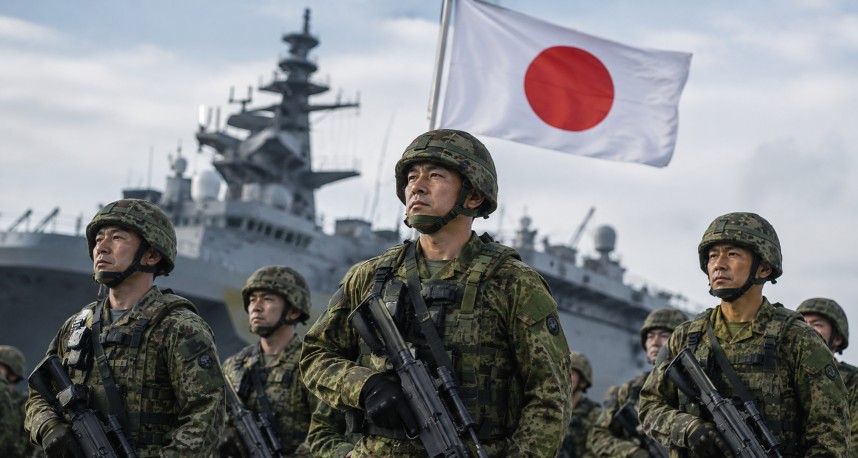
In a move to bolster its defense capabilities, Japan is set to unveil a new economic and fiscal policy blueprint, marking a significant increase in military expenditure over the upcoming years. The annual Basic Policy on Economic and Fiscal Management and Reform is anticipated to be ratified later this month, reinforcing Japan’s aim to enhance its defense infrastructure within a five-year timeline. Although the document will not introduce new numerical spending targets, it is expected to underscore the defense spending aspirations shared by Japan’s key allies and partners.
The blueprint is poised to acknowledge the growing demands from the United States for its allies to bear more substantial security responsibilities. It is likely to highlight that NATO members, along with countries such as South Korea and Australia, have already committed to medium- and long-term defense expenditure plans. As detailed in the draft, a footnote will reference NATO’s objective to elevate core defense spending to 3.5% of GDP by 2035, South Korea’s ambition to achieve a 3.5% GDP allocation as soon as feasible, and Australia’s goal to invest 3% of GDP in defense by 2033.
Japan’s current national security strategy, which was put into place in 2022, initially aimed to boost defense spending from 1% to 2% of GDP within a five-year period. Remarkably, the government reached this target in fiscal 2025, ahead of the projected schedule. This achievement highlights Japan’s proactive stance in adjusting its defense posture amid evolving regional security dynamics.
The forthcoming policy update is expected to lay the groundwork for revisions to Japan’s three principal national security documents later this year. As Tokyo navigates the complexities of the regional security landscape, defense expenditure is likely to continue as a primary focus. The anticipation surrounding these updates reflects Japan’s strategic response to ensure its national security is robust and responsive to the challenges in its vicinity.