
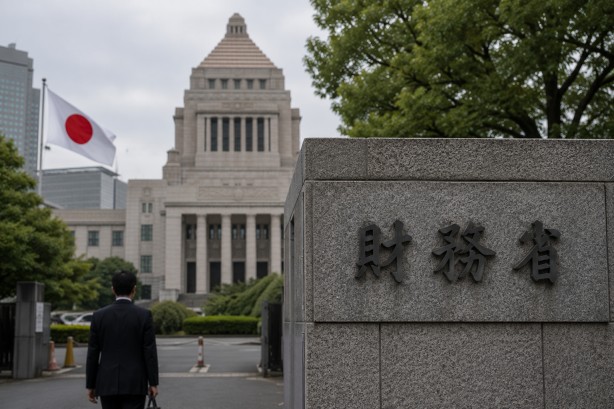
In its latest effort to streamline government spending, Japan’s government has made limited progress in its review of corporate tax incentives. Out of nearly 120 measures scrutinized by various ministries and government agencies, only one tax break has been recommended for removal. This initiative is part of a broader strategy to cut down on inefficient spending and to find funding for planned tax relief measures.
The review process called on ministries to evaluate the effectiveness of different special tax breaks, many of which have persisted over time. Despite this push for change, most government agencies have defended the current incentives, arguing that even those with low usage still play a crucial role in supporting long-term policy objectives. The resistance from these agencies underscores the challenge of reforming entrenched tax policies.
Finance Minister Satsuki Katayama expressed dissatisfaction with the initial findings, labeling them as unsatisfactory. She has committed to conducting a more comprehensive review before the year-end negotiations. The tax incentives that are under scrutiny collectively contribute to approximately 1 trillion yen in tax reductions, highlighting the significant fiscal impact of these measures.
The Japanese government is motivated by the need to generate additional revenue to fund a proposed temporary reduction in the consumption tax on food. This tax cut is intended to offer relief to consumers without leading to an increase in government borrowing. As Japan navigates these fiscal challenges, the balance between maintaining beneficial tax incentives and ensuring effective government spending remains a complex issue.