
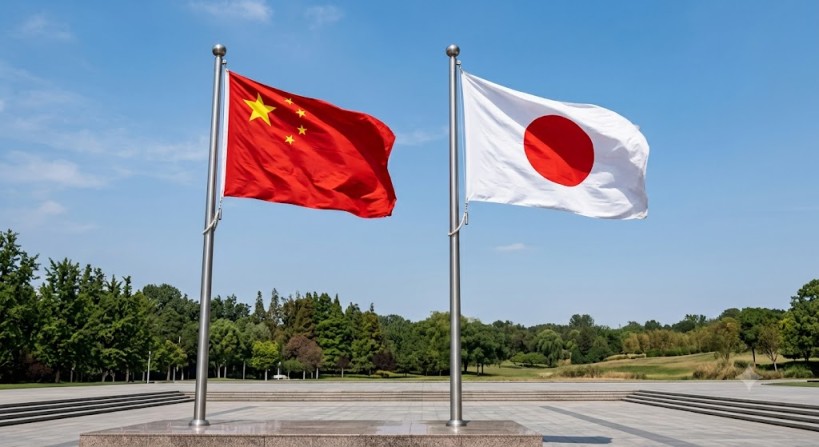
In a move that has escalated regional tensions, China has imposed new export controls on 40 Japanese entities, accusing them of aiding Japan’s military enhancement and “remilitarization.” The new restrictions affect 20 Japanese companies and divisions, including those associated with major firms, by barring Chinese and foreign exporters from selling certain dual-use goods that have both civilian and military applications to these entities.
Additionally, China has placed another 20 Japanese entities on a watch list. This classification requires exporters to obtain special approvals and conduct risk assessments to ensure that their products will not be utilized for military purposes. Beijing asserts that these measures are crucial to counteract what it sees as Japan’s expanding military ambitions. China has been particularly vocal about its concerns regarding Japan’s bolstered defense capabilities, such as advancements in long-range weaponry and intensified security cooperation with other nations.
The Japanese government has responded sharply, labeling the export controls as unacceptable and urging China to revoke the measures. Japanese officials are currently assessing the potential impacts of these restrictions and considering suitable responses. The move by China comes amid a backdrop of heightened tensions, as Japan has been enhancing its defense strategies and military capabilities, a development that Beijing has consistently opposed, especially in matters related to Taiwan.
Analysts suggest that China’s export controls may serve as a diplomatic warning rather than a sweeping economic sanction, yet the fragile nature of Sino-Japanese relations persists against a backdrop of broader regional security issues. As Japan continues to expand its defense posture, China remains wary, and the two countries navigate a complex landscape of geopolitical challenges and strategic interests.