
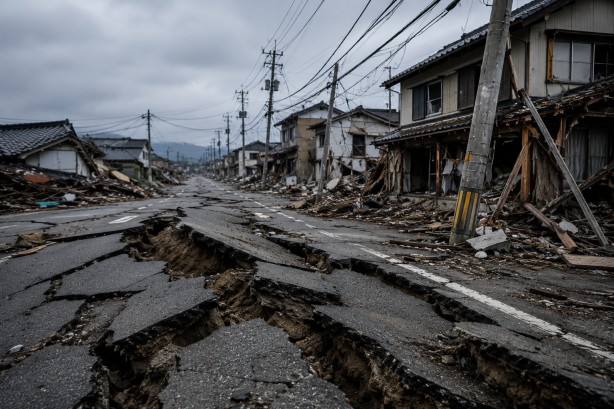
In the aftermath of a significant earthquake in Japan’s Kyushu region, the heart of the country’s semiconductor production has faced severe disruptions. Kumamoto Prefecture, part of Japan’s renowned “Silicon Island,” houses major chip manufacturing facilities from industry giants like TSMC, Renesas Electronics, Sony, Mitsubishi Electric, and Tokyo Electron. The quake has compelled these companies to halt operations as they evaluate the extent of the damage.
While initial reports suggest that some factories have escaped substantial structural harm, the production lines remain inactive. This pause is primarily due to the need for thorough inspection and recalibration of delicate semiconductor equipment, critical to maintaining production precision. The earthquake’s impact has also reverberated through transportation networks, causing logistical challenges and fears of delayed chip deliveries.
The disruption in the semiconductor sector is not isolated. Automotive giant Toyota has been forced to temporarily close several of its plants, citing issues with suppliers and logistics that arose from the quake. Similarly, Honda has decided to extend the shutdown of its motorcycle manufacturing facility in Kumamoto, reflecting the broader industrial impact of the disaster.
Manufacturers across various sectors are still in the process of assessing the situation to determine when they can safely resume operations. The earthquake’s ripple effects highlight the vulnerability of interconnected supply chains and the critical role the Kyushu region plays in global technology production.